Ethiopian Coffee

Ethiopian coffee beans from the place coffee was born, roasted fresh only after you order. Our Ethiopian Harrar comes from the Kubsitu Cooperative in Oromia: wild and fruit-forward, with berry, honey and chocolate. Our Ethiopian Sidama comes from smallholder farms in the Sidama Zone: smooth and sweet, with milk chocolate, caramel and soft fruit. Both are single origin, natural process heirloom coffees, dried in the cherry on raised beds. For espresso and lattes, Horn of Africa Reserve blends Ethiopian, Kenyan and Tanzanian beans. Whole bean or ground to order, with free shipping across the U.S.

Details for background

Ethiopian Harrar Coffee

Ethiopian Harrar Coffee

Tasting notes

Berry, honey, chocolate

From $27.49

Shop Now
Horn of Africa Reserve Coffee

Horn of Africa Reserve Coffee

Tasting notes

Dark Chocolate, Spice, Berry

From $26.99

Shop Now
Ethiopian Sidama Coffee

Ethiopian Sidama Coffee

Tasting notes

Milk chocolate, fruity, caramel

From $27.49

Shop Now
A close-up view of whole coffee beans inside a coffee grinder.
Ethiopian coffee, roasted after you order.

Roasted after you order. Shipped at peak flavor.

Ethiopia's natural process coffees carry delicate fruit and floral notes, and those are the first flavors to fade on a store shelf. That's why we roast your Harrar or Sidama in small batches only after your order is placed, and ship it within 1 to 2 days. It arrives right as the berry, honey and chocolate are at their peak.

  • Black silhouette of a single coffee bean with a curved line down the center, depicted on a white background.

    Roasted to order, never stockpiled. Your bag goes from our roaster to your door. No warehouse, no shelf time, no middlemen.

  • Black silhouette of a single coffee bean with a curved line down the center, depicted on a white background.

    Roasted for each coffee. Sidama gets a medium-light roast to keep its sweetness bright; Harrar gets a medium roast to round out its wild fruit; Horn of Africa Reserve goes medium-dark for espresso.

  • Black silhouette of a single coffee bean with a curved line down the center, depicted on a white background.

    Free shipping across the United States, with whole bean, drip, coarse or fine grind and 12 oz to 5 lb bags.

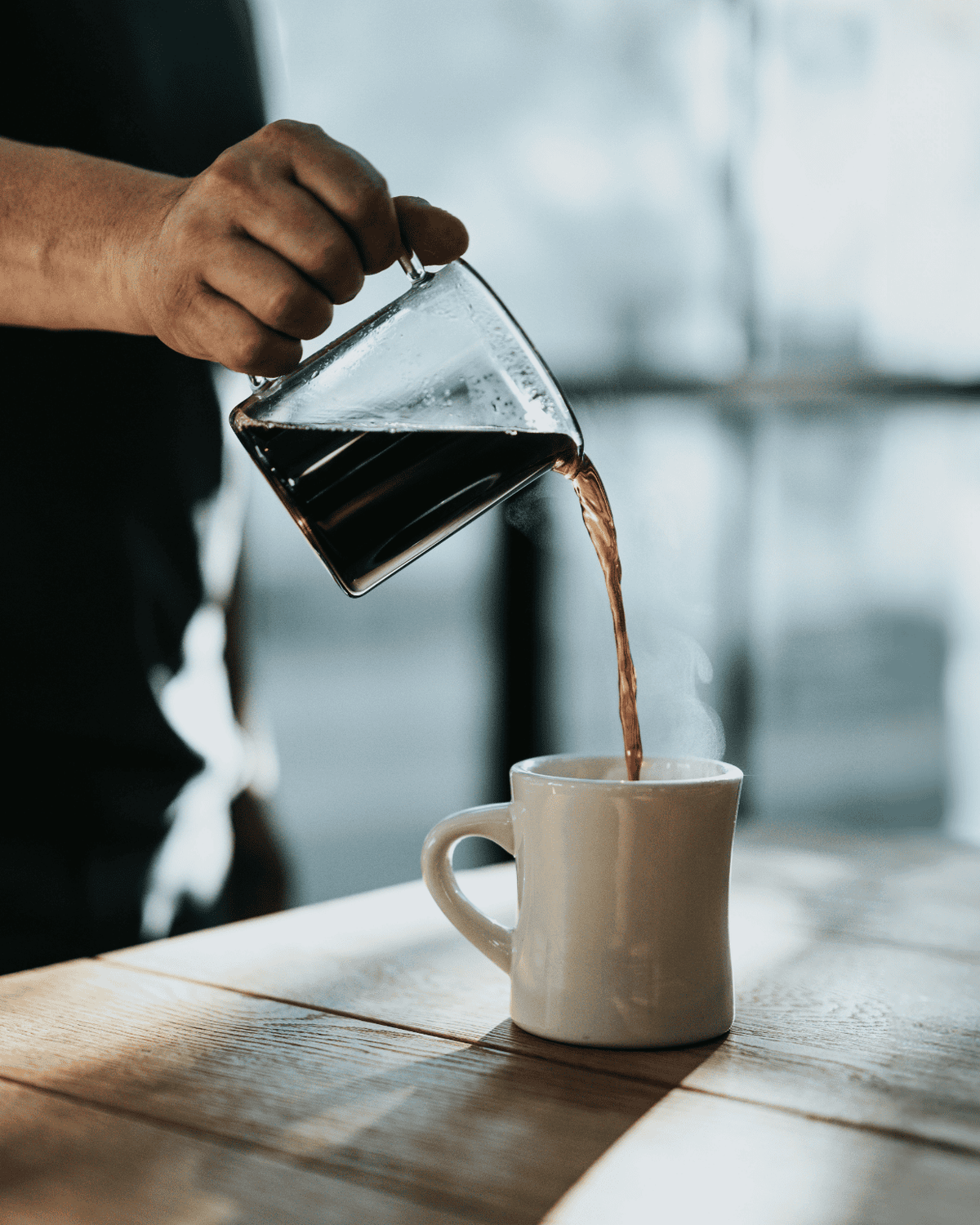
A person pours coffee from a glass carafe into a white mug on a wooden table, with sunlight coming through large windows in the background.
From Ethiopia's highlands to your cup

Single origin. Specialty grade. Roasted to order for you. 

Coffee was born in Ethiopia, where it is still poured at the heart of every gathering in the traditional coffee ceremony, and our name comes from Kochere, a coffee-growing region in the country's south. We source two of its great regions. Our Harrar is grown by the Kubsitu Cooperative in Kirara, Oromia, at 1,780 meters. Our Sidama is grown by smallholder farmers in the Sidama Zone, at 1,700 to 1,900 meters. Both are indigenous heirloom varieties, hand-sorted and dried in the whole cherry on raised beds.

  • Black silhouette of a single coffee bean with a curved line down the center, depicted on a white background.

    Heirloom coffee plants. Wild-born Ethiopian varieties you won't find growing anywhere else, the source of that famous fruit and floral cup.

  • Black silhouette of a single coffee bean with a curved line down the center, depicted on a white background.

    Natural process. Cherries dry whole in the sun, so the fruit's sugars soak into the bean. That's where the berry and wild-fruit notes come from.

  • Black silhouette of a single coffee bean with a curved line down the center, depicted on a white background.

    Farmer-first sourcing. We buy from a cooperative and smallholder farms and pay prices that reflect the care behind every harvest. Our Ethiopian Harrar is organically grown.

Ethiopian Coffee FAQs

What does Ethiopian coffee taste like?

Ethiopia is where coffee began, and its coffee is known for being bright, fruity and sweet, with a floral, almost tea-like clarity you won't find in most origins. Our Ethiopian Harrar leans wild and fruit-forward, with berry, honey and chocolate. Our Ethiopian Sidama is smoother and rounder, with milk chocolate, caramel and soft fruit. Both come from heirloom coffee plants that grow only in Ethiopia, coffee's birthplace.

Should I choose Ethiopian Harrar or Ethiopian Sidama?

Choose Harrar if you love bold fruit: it's a medium roast with berry, honey, chocolate and a wild, winey edge. Choose Sidama if you want something gentler and sweeter: a medium-light roast with milk chocolate, caramel and soft fruit. New to Ethiopian coffee? Start with Sidama. Can't decide? Order a 12 oz bag of each and taste them side by side.

What is natural process Ethiopian coffee?

Natural process means the coffee cherries are dried whole, with the fruit still around the bean, before the beans are removed. That slow drying lets the fruit's sugars soak into the bean, which is where the berry and wild-fruit notes come from. Both our Harrar and Sidama are full natural coffees, sorted by hand and dried on raised beds.

Is your Ethiopian coffee single origin?

Yes. Ethiopian Harrar and Ethiopian Sidama are both single origin: each bag comes from one region, so you taste that place and nothing else. The third coffee on this page, Horn of Africa Reserve, is a blend of Ethiopian, Kenyan and Tanzanian beans, made for espresso.

Where do your Ethiopian beans come from?

Our Harrar comes from the Kubsitu Cooperative in Kirara, in Ethiopia's Oromia Region, grown at 1,780 meters. Our Sidama comes from smallholder farmers in the Sidama Zone, grown at 1,700 to 1,900 meters. Both are indigenous heirloom varieties, the wild-born coffee plants Ethiopia is famous for.

Can I buy Ethiopian coffee as whole beans or ground?

Both. Every Ethiopian coffee comes as whole bean, or ground for drip, coarse (French press and cold brew) or fine (espresso). Bags come in 12 oz, 1 lb, 2 lb and 5 lb. Whole bean stays fresh longest; if you have a grinder, grind just before you brew.

How fresh is your Ethiopian coffee when it arrives?

We roast your bag only after you order it, in small batches, and ship it within 1 to 2 days. Nothing sits in a warehouse or on a grocery shelf. Your Ethiopian coffee arrives days after roasting, right as its fruit and floral notes are at their peak.

How should I brew Ethiopian coffee?

Pour-over (V60 or Chemex) and drip bring out Ethiopian coffee's fruit and floral notes most clearly; choose drip grind. A French press gives Harrar a fuller, jammier body; choose coarse. AeroPress works with either coffee; use drip grind for a clean cup. Grinding fresh at home? Buy whole bean and grind just before you brew.

Is Ethiopian coffee good for espresso and lattes?

Yes. For espresso, lattes, cappuccinos and moka pot, choose Horn of Africa Reserve, our signature espresso blend: a medium-dark roast of Ethiopian, Kenyan and Tanzanian beans with dark chocolate, spice and berry that holds up to milk. Choose fine grind, or whole bean if you grind at home. Harrar also makes a lively, fruit-forward single-origin espresso if you like a brighter shot.

Is Ethiopian coffee Arabica or Robusta?

Arabica. Ethiopia is where Arabica coffee comes from, and its forests still hold wild coffee plants. Our Ethiopian Harrar and Sidama are 100% Arabica, from indigenous heirloom varieties, and Horn of Africa Reserve is an all-Arabica blend.

Is Ethiopian coffee strong?

It's bold in flavor rather than heavy. Ethiopian coffee is known for bright fruit and floral notes, not bitterness. How strong your cup tastes comes down to roast and how much coffee you brew: for a richer, darker cup, choose Horn of Africa Reserve. As Arabica, it has less caffeine than Robusta, the kind used in many cheap blends.